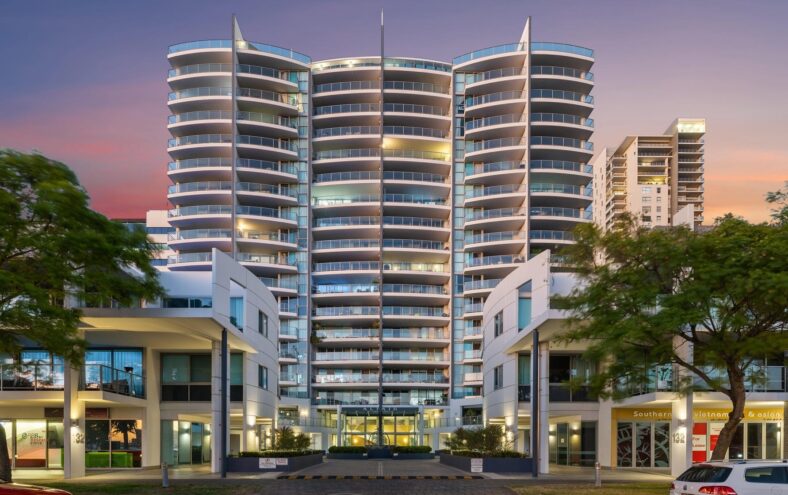
Remote work has had a significant impact on both urban and suburban real estate markets, reshaping living and working patterns in numerous ways. Here are some key points to consider as noted by Property Valuation Perth:
Urban Markets
- Decline in Office Space Demand: Many companies have reduced their office space requirements as employees work from home. This has led to a decrease in commercial real estate prices in urban centers.
- Residential Market Shifts: With less need to live close to work, some urban residents have moved to suburban or rural areas, seeking more space and lower living costs. This migration has put downward pressure on urban housing markets.
- Increased Vacancy Rates: Higher vacancy rates in both commercial and residential properties have been observed in many cities. This has led to lower rental prices and greater bargaining power for tenants.
- Changes in Infrastructure: Cities are adapting by repurposing commercial spaces for residential use or other purposes. There is also a push for improving urban amenities to retain residents.
Suburban Markets
- Increased Demand for Housing: Suburban areas have seen a surge in demand as remote workers seek more space, both indoors and outdoors. This has led to rising home prices and lower inventory.
- Growth in Home Office Spaces: Homes with dedicated office spaces or the potential to create one have become more desirable. Renovations and home improvements for remote work setups are common.
- Shift in Commercial Real Estate: While some suburban office spaces have seen reduced demand, others have benefited from companies adopting a “hub-and-spoke” model, where smaller satellite offices support remote workers.
- Infrastructure Expansion: Suburbs are investing in infrastructure improvements, such as better internet connectivity and transportation links, to accommodate the growing population and its needs.
Broader Economic and Social Implications
- Impact on Local Businesses: Businesses in urban areas that relied on office workers, such as restaurants and retail stores, have experienced a decline in foot traffic. Conversely, suburban businesses have seen increased patronage.
- Environmental Impact: Reduced commuting has led to lower emissions and less traffic congestion. However, the spread of populations to suburban areas could lead to increased car dependency and potential environmental concerns.
- Quality of Life and Work-Life Balance: Many workers report improved work-life balance and productivity with remote work. However, the blurring of work and personal life boundaries remains a challenge.
- Economic Disparities: The shift to remote work has highlighted and, in some cases, exacerbated economic disparities. Those with jobs that can be done remotely often have more flexibility and better living conditions compared to those whose jobs require physical presence.
In summary, remote work has brought about profound changes in urban and suburban markets, influencing real estate trends, economic activity, and social dynamics.
Valuation Perth note that these changes are likely to continue evolving as remote work becomes a more permanent fixture in many industries.